Billionaire Bids Signal Major Shift for Caesars and MGM Resorts Toward Private Ownership
Riley Schmidt · Jul 11, 2026

Billionaire Bids Signal Major Shift for Caesars and MGM Resorts Toward Private Ownership
Billionaire Tilman Fertitta submitted a $17.6 billion all-cash offer to acquire Caesars Entertainment and take the company private while media executive Barry Diller's People Inc. followed with a proposal valued at approximately $18 billion to purchase MGM Resorts International under similar terms. These transactions would remove both operators from public stock exchanges and place them under private control at a time when industry observers track ongoing consolidation across major gaming markets. Reports from July 2026 place these proposals amid broader efforts by large casino groups to restructure ownership structures away from quarterly Wall Street reporting requirements.
Fertitta's Proposal Targets Caesars Entertainment Structure
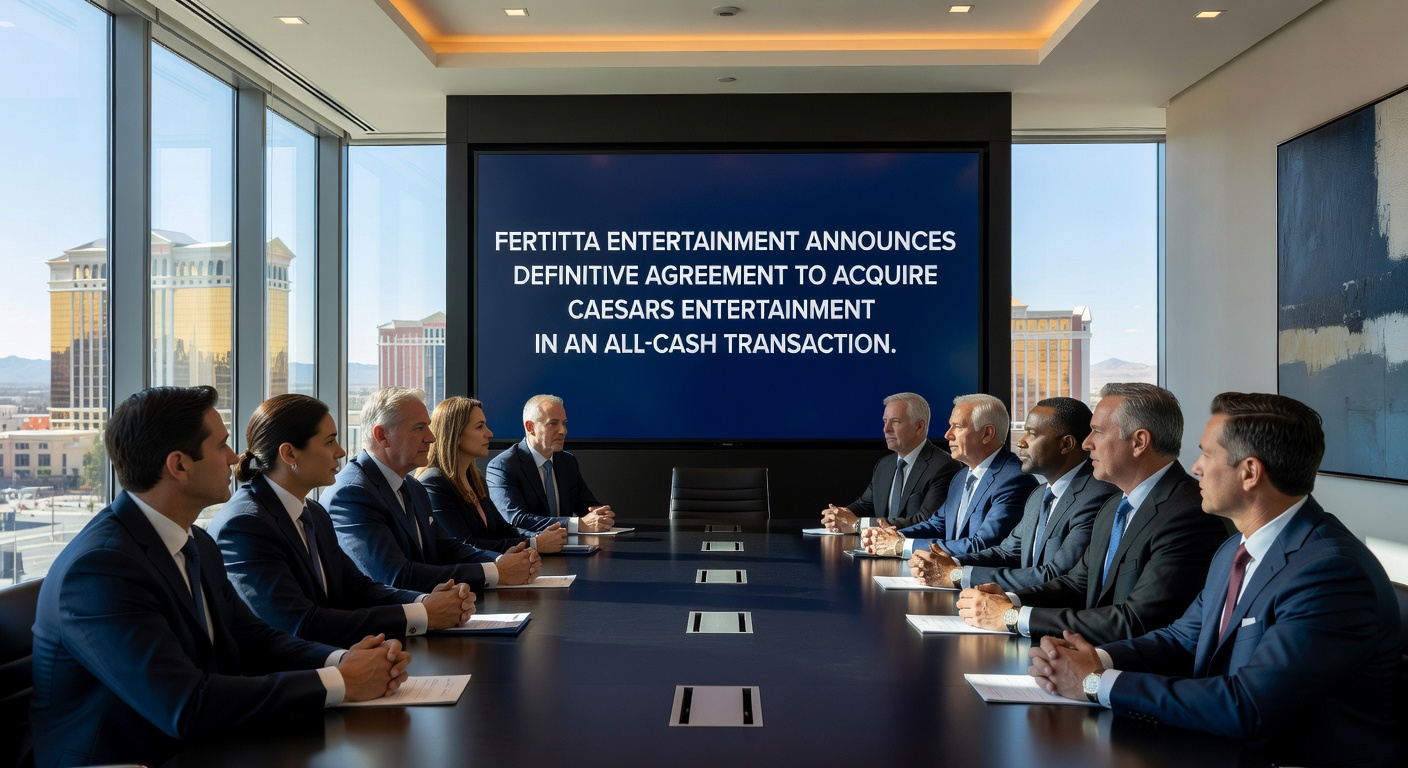
Fertitta Entertainment advanced a definitive agreement structured as an all-cash transaction that values Caesars at the stated $17.6 billion level according to filings referenced in regional coverage. The offer covers the full equity of the publicly traded entity and includes its portfolio of properties along the Las Vegas Strip together with regional assets. Under private ownership the company would no longer face the same disclosure timelines or investor pressures associated with exchange-listed status. Caesars Entertainment operates multiple large-scale resorts whose daily operations and capital projects would continue under new ownership while strategic decisions shift to the acquiring entity's internal governance.
Diller's People Inc. Follows With MGM Resorts Bid
People Inc. presented its roughly $18 billion proposal for MGM Resorts International shortly after the Caesars announcement creating a parallel path for the second major operator to exit public markets. The MGM portfolio includes flagship properties whose management would transfer to private hands while existing operational frameworks remain intact during any transition period. Industry data tracked by groups such as the American Gaming Association shows similar moves by other operators seeking flexibility in financing and long-term planning outside public equity constraints. MGM Resorts would join a growing list of casino companies whose ownership changes reflect investor interest in concentrated control over high-value real estate and gaming licenses.
Broader Patterns of Industry Consolidation in 2026
Both proposals arrive during a period when multiple casino operators have pursued private equity partnerships or full buyouts to streamline governance and reduce exposure to market volatility. Data compiled through state gaming reports indicate that several large properties have changed hands or restructured since 2023 with private capital playing an increasing role in deal financing. The July 2026 timing aligns with earnings cycles where public companies report results that sometimes prompt discussions about alternative ownership models. Private ownership allows management teams to focus on multi-year development timelines without the same emphasis on short-term share price movements that public markets often require.
Las Vegas remains central to these transactions because the Strip continues to generate substantial revenue from tourism and convention activity that supports large-scale property valuations. Regulatory approvals at the state level would still apply to any ownership transfer involving gaming licenses with oversight from bodies such as the Nevada Gaming Control Board. The shift of two major operators to private status would reduce teh number of publicly traded casino companies with significant Strip exposure and concentrate decision-making among fewer entities. Observers note that such consolidation can influence supplier relationships, labor agreements, and capital investment patterns across the wider market.
Financial and Operational Implications of the Transactions
The $17.6 billion Caesars offer and the $18 billion MGM proposal represent substantial capital commitments that require financing arrangements typically arranged through private equity channels or institutional investors. Once completed the companies would operate without the same level of quarterly earnings guidance that public markets demand yet they would continue to file certain regulatory reports required by gaming commissions. Existing employee structures, vendor contracts, and guest loyalty programs would transfer under the new ownership while strategic expansions or divestitures become internal matters. Those who follow gaming finance note that private ownership often allows faster execution on renovations or new project launches because decisions bypass layers of shareholder approval processes.
Regional markets beyond Las Vegas could also see effects if the acquiring entities decide to reallocate resources or pursue additional properties in secondary locations. The overall trend documented in industry analyses points toward fewer independent public companies and more integrated portfolios held by larger private groups. Completion of either transaction would depend on regulatory review timelines and any competing offers that might surface during the process.
Conclusion
The Fertitta and Diller proposals mark a notable development for two of the largest casino operators with major Las Vegas holdings. Both transactions would transition Caesars Entertainment and MGM Resorts International from public to private ownership while reflecting wider consolidation activity observed across the sector in July 2026. Regulatory processes and financing details will determine the final outcomes yet the pattern of private capital entering large-scale gaming assets continues to shape ownership structures in key markets.